Did you know that many hiring managers and SME owners place a strong weight on a robust portfolio? In today’s competitive landscape, showcasing your work tangibly and engagingly is crucial before making your first SME pitch. Builds trust.
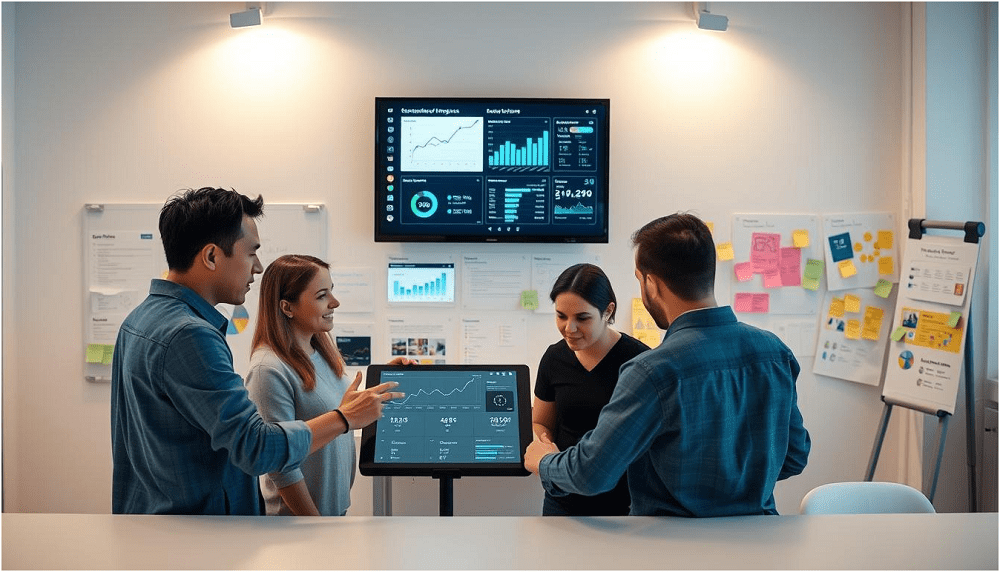
An interactive project portfolio not only demonstrates your skills but also your ability to present complex ideas in an accessible way. By showcasing interactive projects, you can differentiate yourself from competitors and make a lasting impression on potential clients and stakeholders.
Key Takeaways
Key takeaway: a clear, interactive portfolio builds trust, shows real outcomes, and prepares you for SME pitches.
The Resume’s Limitation: Why Traditional CVs Fall Short
The traditional resume, with its static format and limited scope, is failing to impress in today’s dynamic job landscape. As the job market evolves, it has become clear that conventional CVs are not effectively showcasing a candidate’s capabilities, particularly for SME owners who are looking for more than just a list of skills.
The One-Dimensional Nature of Paper Credentials
Traditional resumes are inherently one-dimensional, listing qualifications and experience without providing context or depth. This lack of depth makes it difficult for SME owners to assess a candidate’s true potential.
Why Skills Lists Don’t Translate to Trust
A list of skills on a resume does not necessarily translate to the ability to apply those skills effectively. SME owners need assurance that a candidate can solve real-world problems.
The Missing Context of Experience
Resumes often fail to provide the context in which a candidate gained their experience. This context is crucial for understanding the depth of a candidate’s expertise.
What SME Owners Really Want to See
SME owners are looking for evidence of a candidate’s ability to apply their skills in real-world scenarios.
“The best candidates are those who can demonstrate their problem-solving abilities through tangible examples.”
Proof of Problem-Solving Abilities
Candidates who can showcase their problem-solving skills through interactive projects are more likely to gain the trust of SME owners.
Evidence of Real-World Application
Real-world applications are key. Candidates should demonstrate how their skills have been used to achieve tangible results.
Explore All AI Courses on Educative
Building a Portfolio with Interactive Projects: The New Professional Currency
As the job market evolves, the importance of interactive portfolios in demonstrating one’s capabilities is becoming increasingly evident. Professionals are now expected to showcase their skills through more than just a traditional resume or static portfolio.
Defining Interactive Projects in the Digital Age
Interactive projects refer to dynamic displays of work that engage the viewer and provide a more immersive experience. These projects go beyond static images or text, incorporating elements that allow users to interact with the content.
Beyond Static Displays: What Makes Work “Interactive”
What makes a project interactive is its ability to engage the user through means such as animations, simulations, or responsive design elements. This interactivity can significantly enhance the viewer’s understanding and retention of the information presented.
Examples Across Different Professional Fields
Interactive projects can be found in various professional fields, including web development, graphic design, and even architecture. For instance, a web developer might create a live demo of a website, while an architect might design an interactive 3D model of a building.
How Interactivity Demonstrates Real-World Application
Interactivity in portfolio projects demonstrates real-world application by showing how a professional’s work functions in practical scenarios. This can be especially compelling for potential employers or clients evaluating impact.
Engaging the Viewer as Active Participant
By engaging the viewer as an active participant, interactive projects can create a more memorable experience, leading to a deeper understanding of the work and its applications.
Creating Memorable Experiences Through Interaction
Interactivity allows viewers to explore the project at their own pace, creating a more personalized experience and stronger recall.
Why Portfolios Shatter the Resume Barrier
Portfolios have emerged as a powerful tool for professionals looking to stand out beyond the confines of a traditional resume. By showcasing real-world projects and achievements, portfolios provide a more comprehensive view of a candidate’s capabilities.
Establishing Trust Through Demonstrated Work
One of the primary ways portfolios shatter the resume barrier is by establishing trust through demonstrated work. This is achieved through the “show, don’t tell” principle—demonstrating skills through actual projects instead of merely listing them.
The “Show, Don’t Tell” Principle in Action
By presenting tangible examples of their work, professionals can effectively illustrate their skills and experience. This lets potential employers see the direct application of a candidate’s abilities.
Building Credibility Through Visible Results
Visible results in a portfolio help build credibility by providing concrete evidence of impact and achievements (metrics, testimonials, or other validation).
Showcasing Capability Beyond Listed Skills
A well-crafted portfolio goes beyond listing skills by showcasing the thought process, approach, and adaptability of a professional. This provides a more nuanced understanding of role fit.
Revealing Your Thought Process and Approach
Including concise explanations reveals your problem-solving strategies and how you might approach future challenges.
Demonstrating Adaptability and Learning Capacity
Show a range of projects and experiences to highlight adaptability and growth.
Key benefits of portfolios include:
- Establishing trust through demonstrated work
- Showcasing capability beyond listed skills
- Revealing thought process and approach
- Demonstrating adaptability and learning capacity
In conclusion, portfolios offer a robust alternative to traditional resumes by providing a tangible showcase of a professional’s skills and achievements. By leveraging interactive portfolio design and showcasing interactive projects, professionals can significantly enhance their visibility and appeal to potential employers.
Explore All AI Courses on Educative
The Psychology Behind Effective Portfolio Presentation
An effective portfolio presentation leverages psychological principles to make a lasting impression. When potential clients or SME owners review your portfolio, they are assessing your professionalism, creativity, and fit.
Creating Memorable First Impressions
First impressions form quickly, and clarity plus visual polish help viewers decide to keep exploring.
The Science of Visual Impact and Retention
Strong visuals and interaction can improve comprehension and recall—use high-quality images and simple, touch-friendly interactions in your web development portfolio projects.
Emotional Connection Through Design Choices
Design choices that evoke the right emotion (color, typography, motion) make your portfolio project development more memorable and brand-consistent.
Cognitive Principles That Make Your Work Stand Out
Pattern Interruption and Novelty
Include a few unexpected elements (micro-interactions, motion) to capture attention. Thoughtful interactive portfolio examples that deviate from boilerplate patterns invite exploration.
Cognitive Load Management in Portfolio Design
Keep navigation and copy lean. Use progressive disclosure so readers can dive deeper on demand without overwhelm.
Identifying Your Professional Strengths Worth Showcasing
Identifying your unique strengths is crucial for an impactful interactive project portfolio. Start by clarifying what sets you apart.
Conducting a Personal Skills Audit
Inventory your abilities, experience, and outcomes—what you’ve done, how well, and what changed for the stakeholder.
Differentiating Between Common and Distinctive Skills
“Common” skills are widely held; “distinctive” skills set you apart. (E.g., Adobe Creative Suite vs. JavaScript for designers.)
Finding Your Unique Professional Angle
Define the intersection of your strengths, interests, and the market’s needs. State the problems you solve and how your approach differs.
Aligning Your Strengths with Market Demands
Map your strengths to SME pain points and position your skills as solutions.
Researching SME Pain Points in Your Industry
Common issues include operational inefficiency, weak engagement, and high operational costs.
Positioning Your Skills as Solutions to Real Problems
Use brief case studies, testimonials, and interactive demos to show outcomes.
| Skill Category | Common Skills | Distinctive Skills |
| Design | Proficiency in Adobe Creative Suite | Ability to create 3D models |
| Development | Knowledge of HTML/CSS | Expertise in machine learning algorithms |

Selecting Projects That Resonate with SME Owners
Choose projects that address real SME needs, not just technical novelty.
Understanding SME Pain Points and Priorities
Despite sector differences, many SMEs share challenges like digital transformation, customer engagement, and data security.
Choosing Projects That Address Real Business Challenges
Highlight practical outcomes, not only features.
Creating Projects That Demonstrate ROI Awareness
Show how the work improves revenue, cost, or risk—state the metric and the method briefly.
Defining Value-Driven Interactive Projects
The key is crafting interactive projects that demonstrate clear ROI and business relevance.
What Makes a Project Truly “Interactive”
Invite action (click, filter, simulate), not just viewing.
Ensuring Your Projects Demonstrate Clear ROI
Include measurable outcomes (e.g., time saved, conversion change) and a one-line method note.
Balancing Creativity with Business Relevance
Innovate within practical constraints so stakeholders can deploy the idea.
Tools and Technologies for Creating Interactive Portfolio Pieces
No-Code Solutions for Non-Developers
Use no-code tools to prototype quickly and focus on narrative.
Website Builders with Interactive Elements
Builders like Wix, Squarespace, and Weebly provide templates and interactive components.
Interactive Presentation and Visualization Tools
Tools such as Prezi and Adobe Express can present complex information clearly.
Front-End Frameworks for Interactive Displays
React and Vue.js are popular choices for dynamic interfaces.
Back-End Solutions for Functional Demonstrations
Node.js or Ruby on Rails for end-to-end demos.
Interactive Mockup and Prototype Platforms
Figma and InVision for clickable prototypes and flows.
Building Depth: Showcasing Problem-Solving Skills
A strong portfolio doesn’t just display finished projects; it tells the story of how you approached complex problems and devised solutions.
Documenting Your Process from Problem to Solution
Outline the challenge, options considered, rationale, and the outcome.
Creating Compelling Case Studies
Keep them concise: context → constraints → decisions → result.
Visualizing Your Thinking Through Diagrams and Flowcharts
Use diagrams to make your reasoning scannable.
Highlighting Critical Decision Points in Your Projects
Call out trade-offs and why you chose your path.
- Document your problem-solving process.
- Use visual aids to illustrate your thinking.
- Highlight critical decision points.
Storytelling Through Your Portfolio: Creating Narrative Flow
Structuring Projects as Problem-Solution Stories
Frame each project as a journey from brief to impact.
The Hero’s Journey Applied to Professional Work
Show obstacles, turning points, and results—keep it professional and concise.
Using Visual Hierarchy to Guide Viewers
Use size, spacing, and contrast to steer attention; reveal detail progressively.
Demonstrating Versatility Without Losing Focus
Curating Projects That Show Range Without Confusion
- Choose complementary projects that highlight different skills.
- Ensure each project advances your overall narrative.
- Avoid too many near-duplicates.
Creating a Coherent Personal Brand Across Diverse Work
Keep tone, typography, and color consistent.
Creating Thematic Connections Between Different Projects
- Identify common methods or principles across projects.
- Use consistent design elements to link related work.
Incorporating Client Feedback and Measurable Results
Ethically Showcasing Client Work
Get permission and honor NDAs; anonymize when needed.
Quantifying Success with Metrics and Testimonials
Pair a concise KPI with a short testimonial.
Illustrative example (replace with measured results if available):
| Project | Client Feedback | Measurable Result |
| Interactive Website Redesign | “The new website has improved our user engagement significantly.” | +30% engagement (illustrative) |
| Marketing Campaign | “The campaign exceeded our expectations in terms of ROI.” | +25% sales (illustrative) |

Portfolio Platforms: Choosing the Right Showcase Medium
Self-Hosted vs. Third-Party Portfolio Solutions
Self-hosted = control and flexibility. Third-party = convenience and speed. Choose based on your timeline, skills, and needed features.
Platform-Specific Features Worth Considering
Support for multimedia, intuitive navigation, and SEO-friendly structures all help your interactive project showcase land better.
Optimizing Your Portfolio for Different Devices
In a multi-device world, ensure a great experience on phones, tablets, and desktops.
Mobile-First Considerations for Modern Browsing
With a large share of global web traffic on mobile devices, adopt a mobile-first layout and touch-friendly interactions.
Testing Interactive Elements Across Platforms
Test interactions across major browsers/devices to ensure your interactive project portfolio works as intended.
From Portfolio to Pitch: Engaging SME Owners
Using Your Portfolio as a Conversation Starter
Select a few projects tailored to the prospect’s needs; lead with the most relevant.
Creating Portfolio-Based Opening Questions
Use questions that surface pain points (e.g., “How are you handling data analysis today?”).
Following Up with Portfolio-Specific Touchpoints
Send a concise, relevant case study after the meeting; track clicks and replies.
Measuring Portfolio Effectiveness and Iterating
Analytics and Engagement Metrics Worth Tracking
Page views, time on page, bounce rate, demo plays/downloads.
Setting Up Tracking for Portfolio Interactions
Add analytics (e.g., GA4) with event tracking for key interactions.
Implementing a Continuous Improvement Cycle
Review quarterly; refine structure, copy, and examples based on behavior and feedback.
Conclusion: The New Professional Standard
Building a strong project portfolio is now essential. Interactive project portfolios help you stand out and provide tangible evidence of your capabilities in a competitive market.
FAQ
Q1: What’s the primary purpose of an interactive portfolio?
To demonstrate real problem-solving ability and results, not just list skills.
Q2: How do traditional resumes fall short?
They’re one-dimensional—little context, no demonstration of application.
Q3: What makes a project “interactive”?
It invites the viewer to act—click, explore, filter, or simulate—to understand the work.
Q4: How can a portfolio overcome resume limits?
By showing real projects, thought process, choices, and outcomes.
Q5: Best ways to present a portfolio to SME owners?
Tailor project selection, use the portfolio as a conversation starter, and follow up with relevant material.
Q6: How do I measure effectiveness?
Track behavior (views, time, clicks), gather feedback, iterate regularly.
Q7: Helpful tools to build interactive pieces?
No-code builders, presentation tools, front-end frameworks, and prototype platforms.
Q8: How often should I update?
Quarterly or biannually, depending on project cadence and audience needs.
Q9: Why does storytelling matter?
It creates structure and emotional connection, making your work memorable.
Q10: How do I show versatility without losing focus?
Curate complementary projects, keep a coherent brand, and highlight common methods across work.
Some links in this article are affiliate links (e.g., Educative.io). If you sign up or purchase through those links, we may earn a commission at no extra cost to you. We only recommend tools and courses we believe add real value. See our full Disclosures & Editorial Standards. Legal & Advice Disclaimer
This article is for general education/journalism and is not financial, legal, or engineering advice. Consider your objectives and circumstances and seek guidance from a qualified professional if needed.