By 2025, cybercrime damages worldwide will hit $10.5 trillion annually. This huge number shows that old safety methods don’t work against new threats. In Australia, companies face fast digital attacks that need smarter protection to keep data safe.
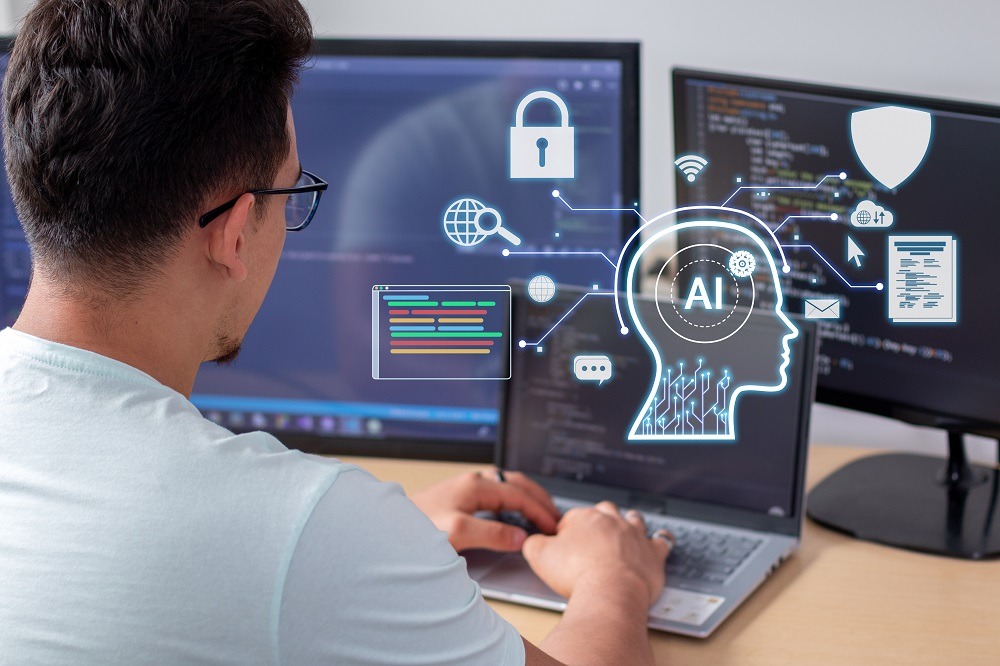
Machine learning in cybersecurity helps teams spot unusual patterns early. These tools find risks that people often miss. Using this tech, businesses can stay ahead of hackers.
Using artificial intelligence cybersecurity platforms gives strong protection for sensitive info. These systems get better at fighting attacks over time. Cyber defence ai watches networks all day to stop breaches before they start.
Smart algorithms do quick analysis of lots of traffic. This change means we move from fixing problems after they happen to stopping them before they start. Investing in these advanced tools is key to keeping our digital world safe from growing global crime.
What Is AI in Cybersecurity?
Artificial Intelligence (AI) is changing how we protect our digital world. As cyber threats grow, old security methods are getting a boost from AI security solutions. This makes our digital protection stronger.
It’s key to understand what AI means for cybersecurity. We need to look at its role in keeping our systems safe.
Definition of AI in Cybersecurity
AI in cybersecurity uses artificial intelligence to fight cyber threats. It uses cybersecurity AI algorithms to scan lots of data. These algorithms find patterns that show up threats.
A report by MarketsandMarkets shows the AI cybersecurity market is growing fast. This shows how much we rely on digital security AI technologies.
Role of Machine Learning in Security Systems
Machine learning is a big part of AI in security. It lets systems learn from data and make smart choices. This is key for AI-powered threat detection. It helps spot threats that old tools can’t catch.
Why Traditional Security Tools Are No Longer Enough
Old security tools rely on rules and signatures. But new threats are always coming. AI offers a better way to keep up with these threats. With AI security solutions, companies can improve their cybersecurity.
Traditional tools just aren’t enough anymore. We need AI to keep our systems safe from new threats.
Why Cybersecurity Needs Artificial Intelligence
Cybersecurity is now a major concern for businesses. This is because cyber threats are always changing. Digital systems are getting more complex, and cyber attacks are on the rise. So, companies need to use advanced security measures.
A report by Accenture shows that 68% of business leaders feel their cybersecurity risks are growing. This makes machine learning cyber security solutions essential. They help detect and respond to threats better.
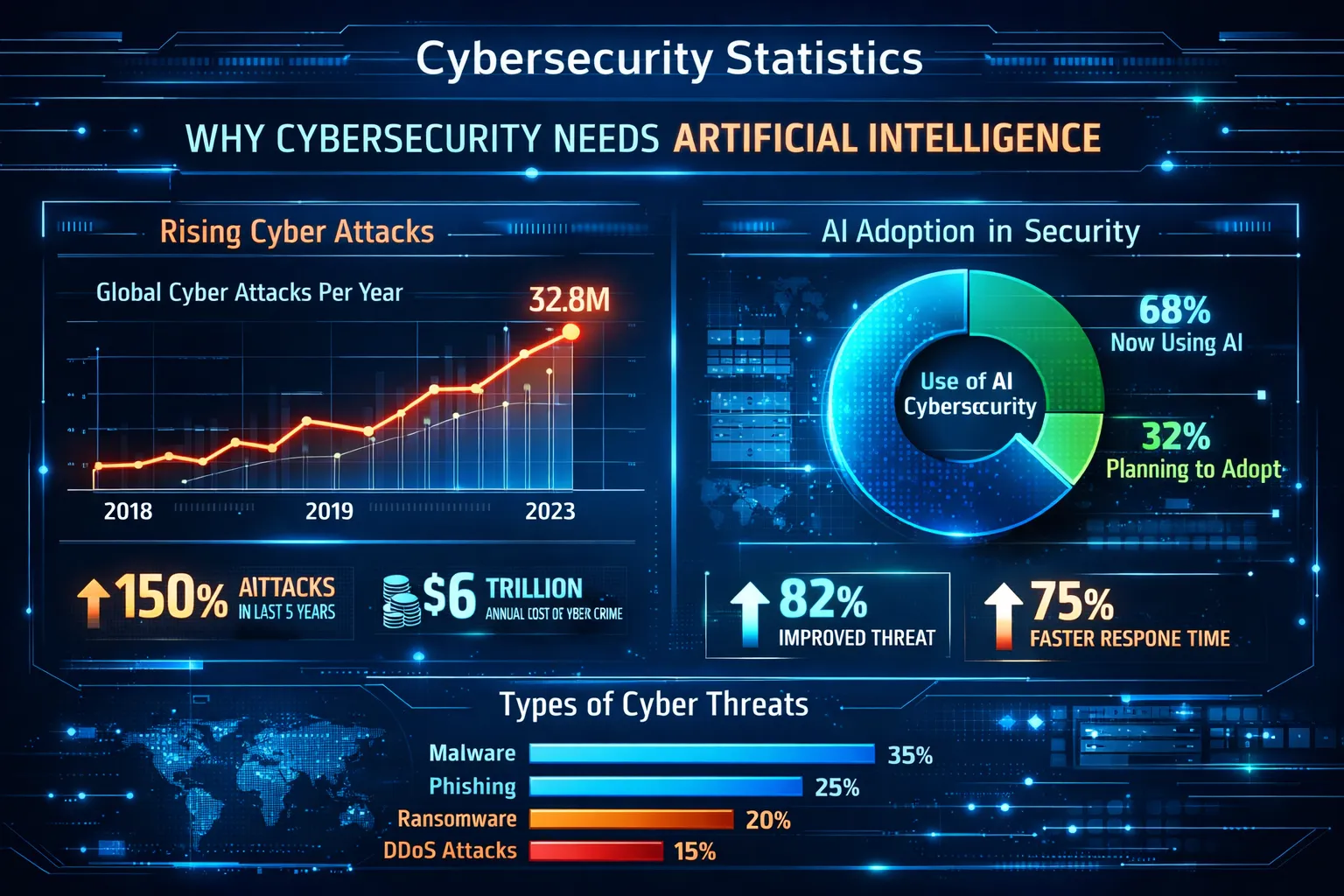
An increasing number of cyber attacks
Cyber attacks are becoming more common and sophisticated. Cyber defense ai is key to keeping ahead of these threats. It helps organizations stay protected.
AI in cybersecurity is great because it can quickly analyze huge amounts of data. It spots patterns that humans might miss.
Human limitations in threat monitoring
Human teams can’t keep up with monitoring threats in real-time. They get overwhelmed by the data and how fast threats appear.
Automated security solutions help by constantly watching systems. They find anomalies that might show a threat.
“The use of AI in cybersecurity is no longer a luxury, but a necessity for organizations to stay protected against the ever-evolving threat landscape.”
Real-time threat detection needs
In today’s fast digital world, detecting threats in real-time is crucial. Cyber attacks prevention ai systems can act fast to minimize damage.
- Real-time monitoring means quick action against threats.
- AI systems can predict and stop attacks before they happen.
- They keep getting better as they learn from new data.
Key Ways AI Is Improving Cybersecurity
Artificial intelligence is changing cybersecurity by making threat detection and response better. AI cybersecurity technologies help spot and stop cyber threats quickly.
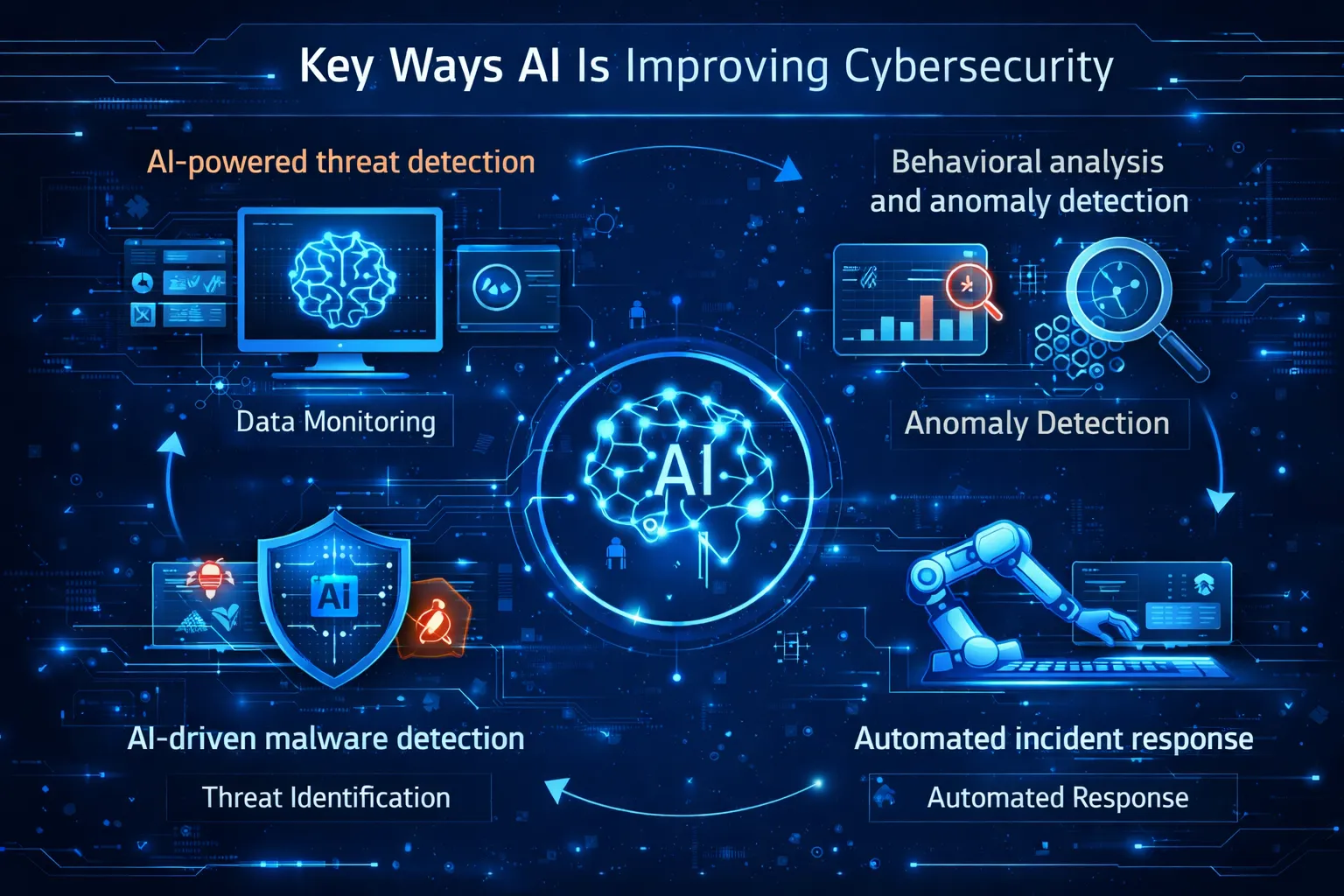
Deep learning in cybersecurity lets systems analyze data in new ways. They learn from past experiences and get better at facing new threats.
AI-Powered Threat Detection
AI-powered threat detection systems look through lots of data to find patterns that might mean trouble. They can catch threats that old security methods might miss.
Thanks to machine learning for cyber defense, these systems get smarter over time. They become better at spotting real threats and cutting down on false alarms.
Behavioral Analysis and Anomaly Detection
Behavioral analysis watches how users act to find out-of-the-ordinary behavior. AI systems learn what normal behavior looks like and alert us to anything strange.
This method is great at catching insider threats or hacked accounts. It works even when the bad activity doesn’t match known threats.
AI-Driven Malware Detection
AI-driven malware detection uses machine learning to check files and programs for bad behavior. It can find new, unknown malware that old methods might not catch.
By watching how files and programs act, AI systems can tell if they’re harmful. This is true even if they’re never seen before.
Automated Incident Response
Automated incident response systems use AI to act fast when threats are found. They might isolate systems, block bad traffic, or warn security teams.
Automation means threats can be dealt with more quickly. This reduces the damage from a breach and helps security teams do their jobs better.
Machine Learning in Threat Detection
Machine learning has changed how we fight cyber threats. It uses data analytics for digital security to spot patterns and oddities in data. These signs might show a threat is coming.
Machine learning helps in several ways:
- Pattern recognition in cyber threats lets systems learn from past data. They can then spot similar patterns in real-time.
- Identifying zero-day attacks is key. These are new threats that old security methods might miss.
- Continuous learning of security systems get better with time. They learn to handle new threats and cut down on false alarms.
Pattern Recognition in Cyber Threats
Machine learning is great at finding patterns in big data. This is super useful for automated threat detection. It looks at network traffic and system logs to find signs of trouble that humans might miss.
IBM says a data breach costs $3.92 million on average. Predictive analytics for online protection can lower this cost. It spots threats early, before they cause a breach.
Identifying Zero-Day Attacks
Zero-day attacks are hard because they use new, unknown weaknesses. Machine learning can spot these by looking for odd behavior even if it doesn’t know the exact threat.
Continuous Learning Security Systems
Machine learning’s biggest plus is its ability to keep learning and getting better. As it gets more data, it can make its threat detection even sharper. This boosts automated threat detection.
Using machine learning for threat detection is a big step forward in data analytics for digital security. It makes threat detection more accurate and quicker. This helps organizations stay safe from cyber threats.
Real-World Case Studies of AI in Cybersecurity
Many organizations have used AI to boost their cybersecurity. AI-powered vulnerability assessment tools are key in today’s security plans.
Here are some examples of AI’s impact on cybersecurity.
AI Detecting Phishing Attacks
Google has used AI to fight phishing attacks. With advanced threat detection with AI, Google has cut down phishing emails. Microsoft has also used AI to improve email filters, protecting millions from scams.
Financial Sector Fraud Prevention
The financial world has turned to AI for fraud prevention. Banks use cybersecurity automation to watch transactions and spot fraud. PayPal, for example, uses AI to check transactions and stop money laundering.
Enterprise Network Protection
AI is also helping big companies protect their networks. IBM and Cisco use AI to fight off cyber threats. This way, they can quickly respond to threats and reduce damage.
These examples show how AI can improve cybersecurity in different fields.
Benefits of Using AI for Cybersecurity
Cyber threats keep getting smarter, making AI for cybersecurity more important. Using cyber defence AI and AI security solutions boosts a company’s security. It makes their cybersecurity stronger.
Faster Threat Detection
AI helps find threats quickly, much faster than old security systems. Machine learning in cybersecurity looks at lots of data fast. It spots threats right away.
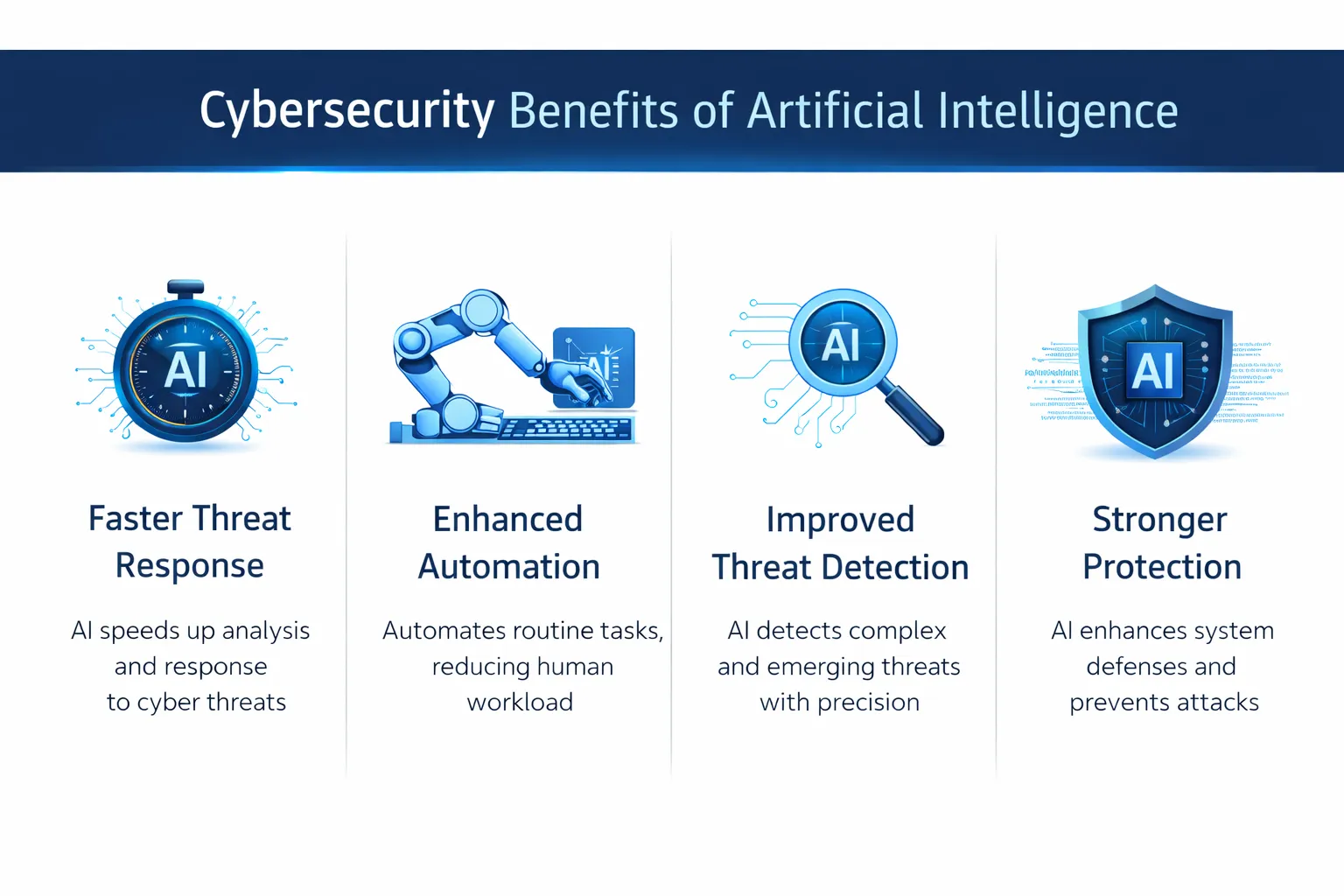
Reduced Human Error
AI security systems cut down on mistakes made by people. These mistakes often lead to security problems. AI automates tasks, lowering the chance of errors.
24/7 Monitoring Capability
AI solutions watch over networks and systems all the time. They offer 24/7 monitoring capability. This means threats are caught and fixed fast, keeping security strong.
Improved Incident Response
If a security issue happens, AI helps respond better. It gives quick insights and advice. This helps companies deal with problems fast, reducing damage.
Challenges and Risks of AI in Cybersecurity
Artificial intelligence (AI) is changing cybersecurity, but it brings challenges. Cybersecurity AI algorithms and digital security AI technologies help detect threats. Yet, they also pose risks that need to be tackled.
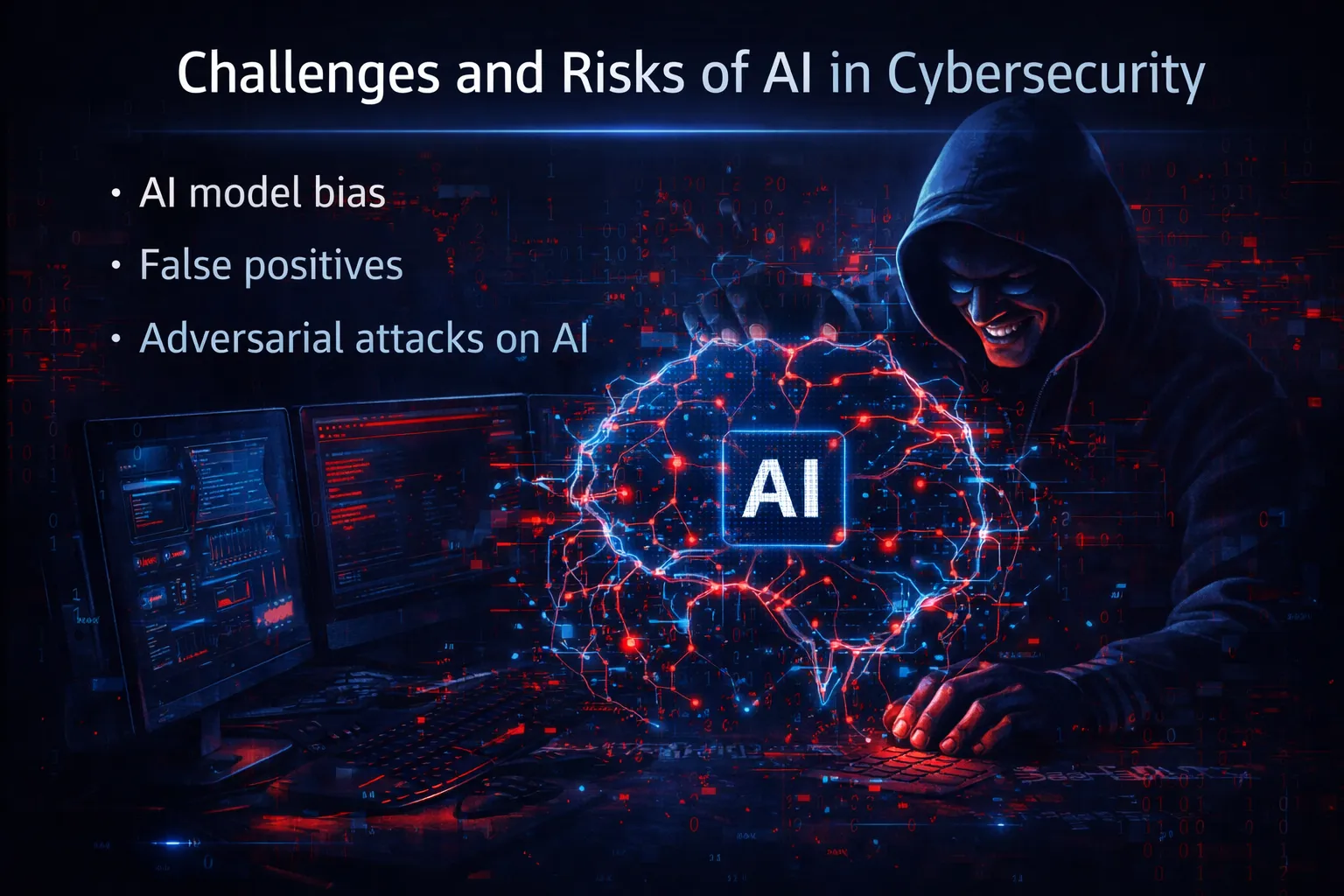
The success of AI in cybersecurity depends on several factors. These include the quality of training data, the algorithms used, and adapting to new threats. Despite its benefits, AI in cybersecurity comes with risks.
Model Bias
Model bias is a big challenge in AI cybersecurity. AI models can pick up biases from their training data. This can lead to unfair threat detection and response.
Bias in AI models can cause false negatives or false positives. This means real threats might be missed, or harmless activities could be seen as malicious. To avoid this, AI models should be trained on diverse data.
False Positives
False positives are another issue with AI in cybersecurity. When AI wrongly flags a harmless activity as a threat, it wastes resources and can cause downtime. To reduce false positives, AI models need to be fine-tuned and validated well.
- Implementing human oversight to verify AI-generated alerts
- Continuously updating and refining AI models to improve accuracy
- Using diverse data sets to train AI models
Adversarial Attacks on AI
A report by MITRE shows the risk of adversarial attacks on AI systems. Attackers can manipulate data to make AI models behave wrongly. This can weaken AI-driven cybersecurity solutions.
To fight adversarial attacks, AI models need to be strong and resilient. This can be done through adversarial training. It helps AI models recognize and handle adversarial inputs.
In summary, AI can significantly enhance cybersecurity, but we must be mindful of its challenges and risks. By tackling these issues, organizations can fully benefit from artificial intelligence cybersecurity to safeguard their digital assets.
The Future of AI in Cybersecurity
AI is changing the cybersecurity world with new machine learning and automated security solutions. It will make detecting, responding to, and preventing cyber threats much better.
“The future of cybersecurity is not just about reacting to threats; it’s about anticipating and preventing them,” said Dr. Charmaine Zammit, a top cybersecurity expert. She points out AI’s key role in being proactive.
Autonomous Security Systems
Autonomous security systems are a big deal. They can work on their own, making quick decisions without needing humans. They use machine learning to look at lots of data, find patterns, and fight threats better than old security methods.
AI Security Copilots
AI security copilots are also a big step forward. They help cybersecurity experts by giving them quick insights and tips. AI copilots look at data from different places, spot threats, and tell what to do next, helping humans do their job better.
Predictive Cyber Defense
Predictive cyber defense is all about being ahead of threats. AI uses past data and current trends to guess what might happen next. It finds risks and suggests ways to stop them, helping organizations stay safe.
The future of AI in cybersecurity looks very promising. These new tools will make our digital security much stronger. As cyber threats keep changing, AI will play a bigger part in keeping us safe.
“AI is not just a tool; it’s a game-changer in the cybersecurity landscape. Its ability to learn, adapt, and respond in real-time is transforming how we approach cyber defense.”
FAQ
AI is becoming more common in cybersecurity, leading to many questions. Here are some AI in cybersecurity FAQs and answers.
Q: How does AI improve cybersecurity?
A: AI boosts cybersecurity by better detecting threats, responding to incidents, and monitoring security. It uses machine learning algorithms and predictive analytics.
Q: What is the role of AI in threat detection?
A: AI is key in threat detection. It looks for patterns, spots anomalies, and predicts threats in real-time. This improves security a lot.
Q: Can AI replace human cybersecurity professionals?
A: AI can automate some tasks, but it’s not meant to replace people. It helps them work more efficiently and effectively.
Q: What exactly is the role of artificial intelligence in cybersecurity for modern businesses?
Artificial intelligence boosts cyber security by handling huge data sets fast. This is key as Cybersecurity Ventures says cybercrime damages will hit $10.5 trillion by 2025. AI helps businesses stay ahead of threats, moving from reacting to acting.
Q: How does machine learning in cybersecurity improve upon traditional antivirus software?
A: Machine learning spots threats even if they’re new. It uses algorithms to find suspicious activity. This means systems can learn and get better over time, unlike old tools.
Q: Why is AI-powered threat detection considered essential in the current digital landscape?
Accenture found 68% of leaders see rising cyber risks. AI threat detection watches all the time, reducing attack chances. With data breaches costing $3.92 million on average, AI is a must for keeping data safe.
Q: Can AI-powered vulnerability assessment prevent zero-day attacks?
A: AI is very good at finding unknown threats. It uses data to predict vulnerabilities and suggest fixes before attacks happen. This is crucial for stopping zero-day attacks.
Q: How are companies like Google and Microsoft using ai cyber attack prevention?
A: Google and Microsoft use AI to protect their cloud and email services. Google’s AI filters billions of phishing attempts with high accuracy. AI looks at communication metadata and intent, offering better protection than humans can.
Q: What is the benefit of cybersecurity automation in incident response?
A: Automation cuts down on the time an attacker is undetected. It isolates infected devices quickly. This means incidents are handled fast, stopping small breaches from becoming big problems.
Q: What are the risks of adversarial attacks on AI systems?
A: MITRE warns about attacks that trick AI algorithms. It’s crucial to keep AI systems strong and check them often. AI can also have biases and false positives, so humans are needed to ensure accuracy and ethics.
Q: How does predictive cyber defense change the future of digital security?
A: The future is in predictive cyber defense and AI systems that act on their own. AI will anticipate threats, freeing up teams to focus on strategy. This marks a big shift towards more effective security.
For more on AI in cybersecurity, check out these resources:
- SANS Institute: Artificial Intelligence in Cybersecurity
- Cisco: What is AI in Cybersecurity?
These sources give detailed information on AI in cybersecurity. They also share insights into the future of cybersecurity automation.
Conclusion
AI has changed how we protect against cyber threats. Now, businesses can more effectively spot and act on threats. AI systems look for patterns and oddities in real-time, cutting down on security breaches.
As cyber threats grow, using AI in cybersecurity is more crucial than ever. AI-driven security helps fight off complex cyber attacks. This makes our digital world safer.
The future of cybersecurity is bright with AI. As AI gets better, we’ll see even stronger ways to prevent cyber attacks. This will make our digital world safer for everyone.

Author Bio:
Mayleen Meñez used to work in media before finding her true passion in NGO work, traveling the Philippines and Asia doing so. She homeschools 3 kids and loves reinventing Filipino dishes. She is a resident SEO writer for Softvire Australia and Softvire New Zealand. Mayleen Meñez Social Credentials
Facebook: https://www.facebook.com/mayleenmenez
Twitter: https://twitter.com/MayleenMenez
LinkedIn: https://www.linkedin.com/in/mayleenmenez/
Instagram: https://www.instagram.com/mayleen_menez/